
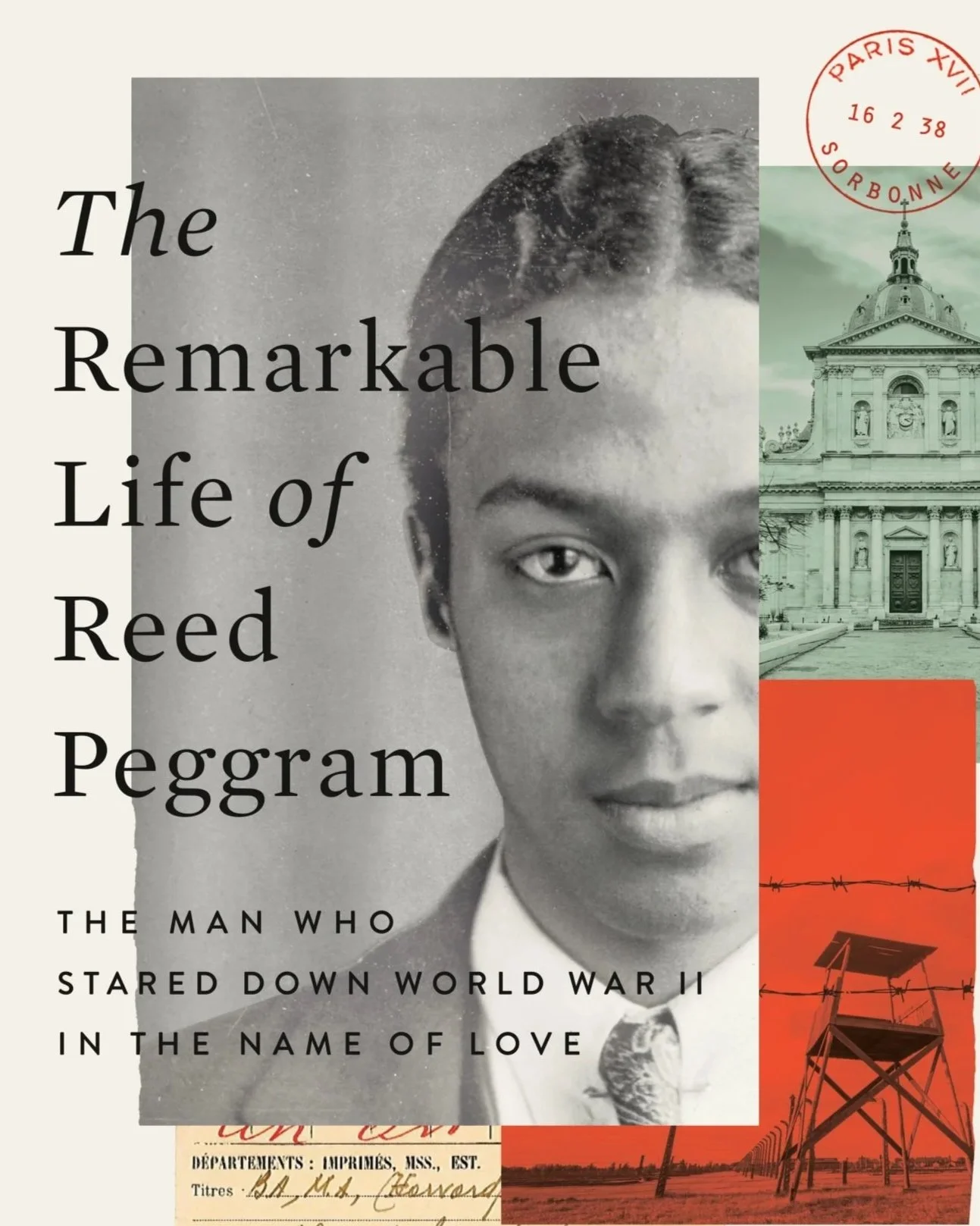
In December 1944, African American newspapers reported that an exceptional Harvard doctoral student, Reed Peggram, had narrowly escaped from an Italian prisoner-of-war camp with his Danish companion. “Two Men with Strange Story Walk Through Battle Lines,” read one headline. Another announced: “Boy Friends Scorn Bombs, Come Out OK.”

The celebrated Harlem Renaissance author was inspired by her experiences as a mixed-race teenager and young adult in the Danish capital, a time that informed her 1928 novel, “Quicksand.”
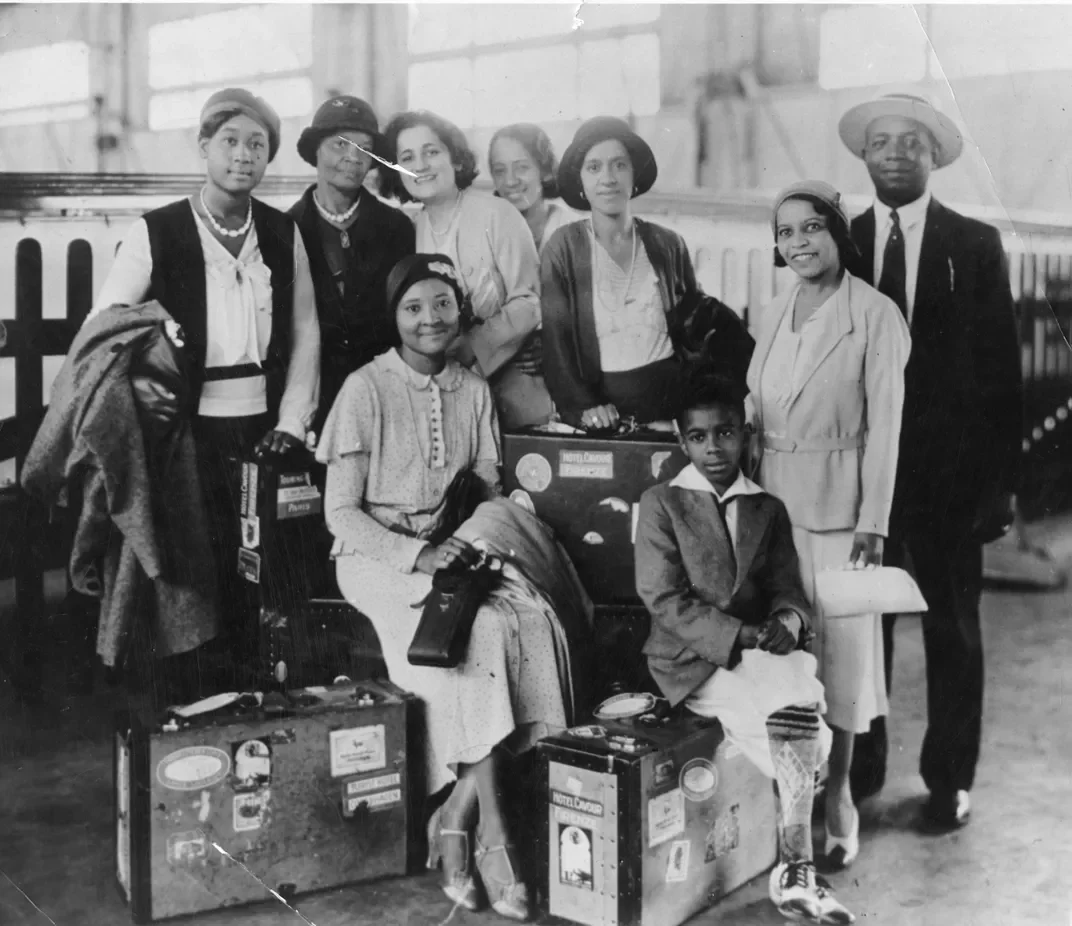
In the pages of the “Chicago Defender,” the cousins detailed their adventures traversing the continent while also observing signs of the changing tides.
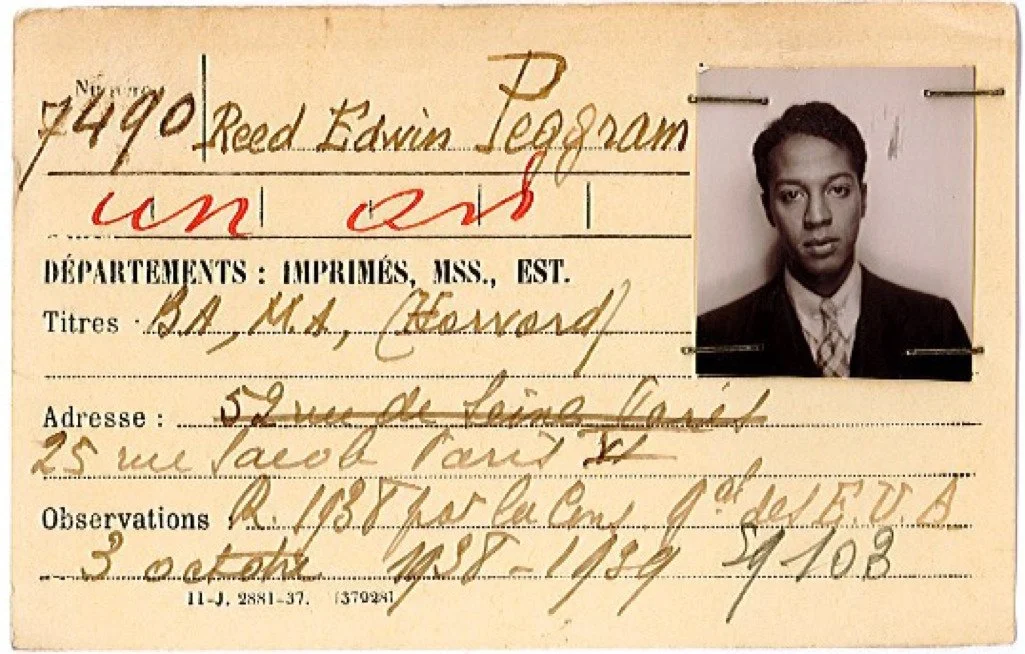
Reed Peggram, a queer African American doctoral student in comparative literature at Harvard University, became a member of the Shakespeare and Company lending library in 1938, when studying decadence in nineteenth-century French literature at the Sorbonne. The essay examines the items he borrowed to provide insights into his life.
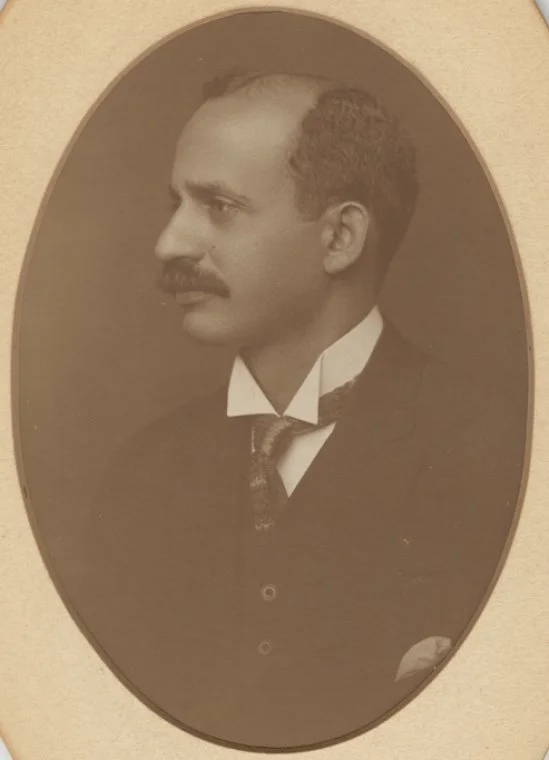
Attorney William Anderson developed a reputation for being a technical legal expert and frequently defended African American clients.
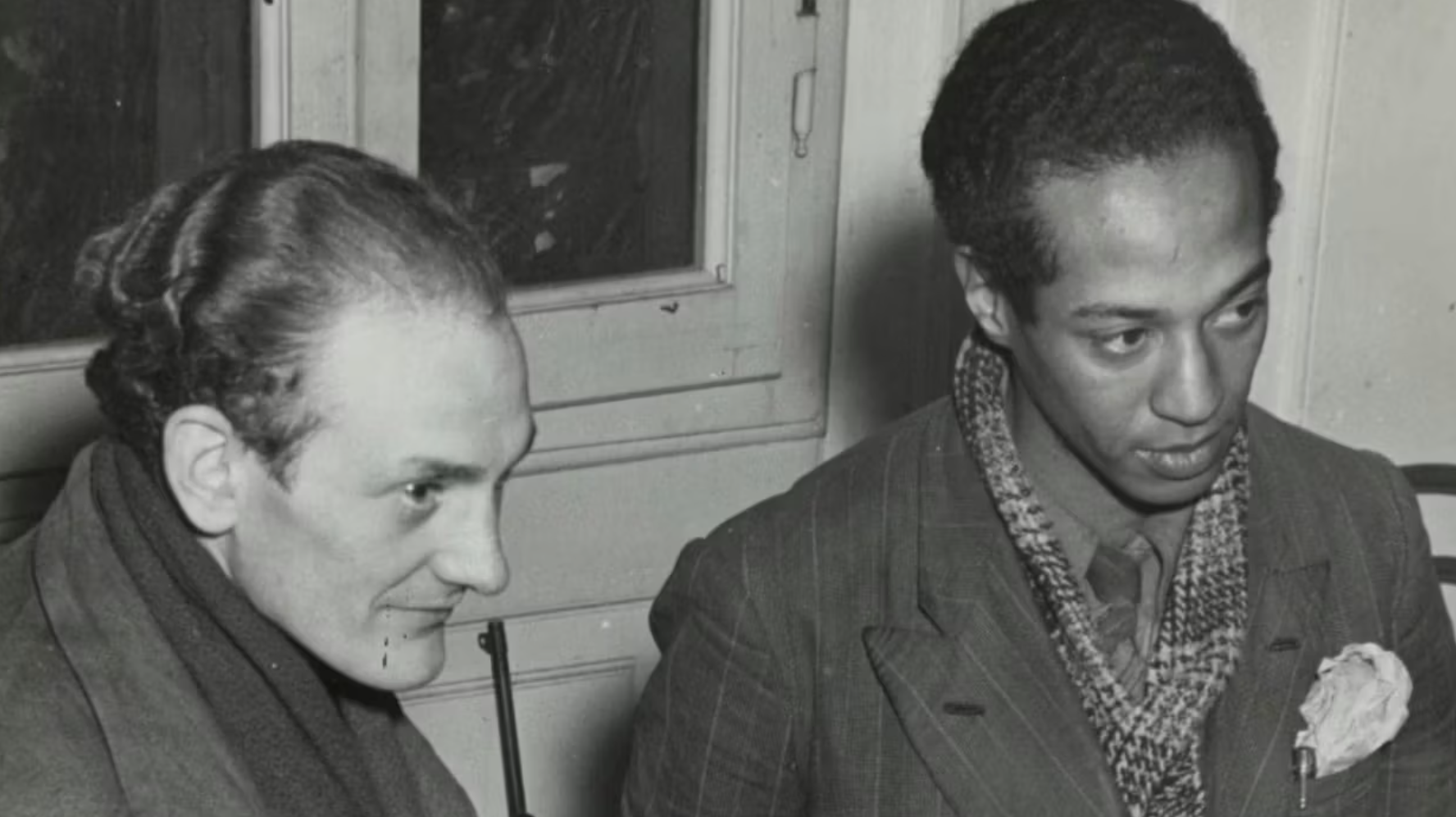
When Reed Peggram met Arne Hauptmann in Paris in 1939, neither could have imagined their love would carry them through imprisonment, escape, and survival behind enemy lines in wartime Italy.

Following in the footsteps of African Americans traveling to Denmark in the early 20th century, Ethelene Whitmire experiences a 21st century transatlantic crossing.

Librarian Louise Butler Walker ’35 took desperate measures to survive in a racist society. Co-written with Harvey Long.
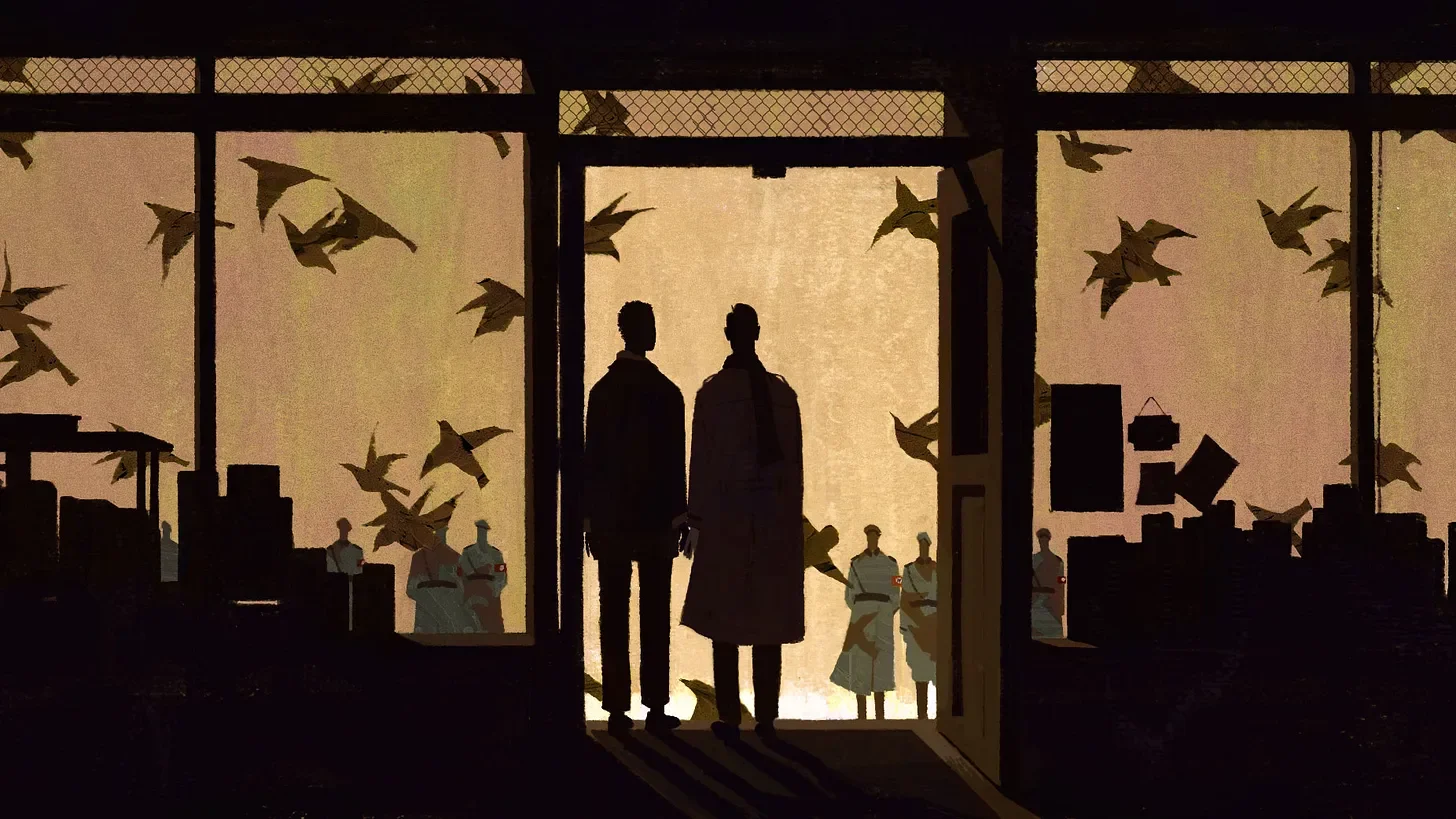
One of the most brilliant minds of the Harvard class of ’35, Reed Edwin Peggram met his soulmate on the eve of World War II and risked everything to stay by his side.